
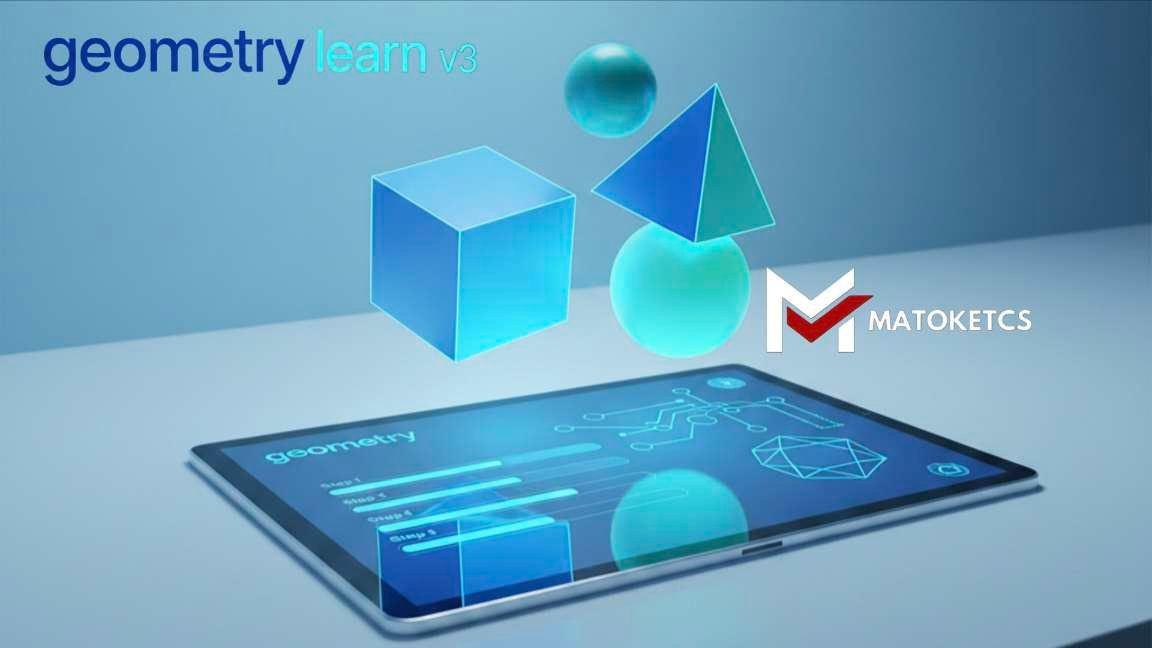
geometry learn v3: A Smarter Way to Master Geometry Step by Step
geometry learn v3 often feels intimidating, but with the right learning approach, it can become logical, visual, and even enjoyable. Today’s learners are turning toward digital tools that simplify complex ideas and encourage real understanding rather than rote memorization. This article explores how modern geometry learning platforms help students build strong foundations, improve problem-solving skills, and gain confidence in mathematics through structured and interactive methods.
Understanding the Basics of Geometry Learning
Geometry is more than just shapes and formulas; it is a way of thinking. At its core, it teaches spatial reasoning, logical deduction, and mathematical communication. When students understand concepts like points, lines, angles, and planes, they begin to see how math applies to the real world.
Why strong foundations matter
A solid understanding of geometric fundamentals helps learners progress smoothly into advanced topics such as coordinate geometry, trigonometry, and calculus. Without this base, students often struggle later. Digital learning solutions focus on clarity and step-by-step progression, ensuring that each concept builds naturally on the previous one.
Common challenges students face
Many learners find geometry abstract because it requires visualization. Diagrams, constructions, and proofs can feel overwhelming. Modern learning platforms address this by using visual aids, interactive diagrams, and guided practice to make ideas concrete and easier to grasp.
How Digital Tools Are Transforming Geometry Education
The rise of educational technology has reshaped how students approach mathematics. Instead of static textbooks, learners now engage with dynamic content that adapts to their pace and learning style. One notable example is geometry learn v3, which combines structured lessons with interactive problem-solving to create a balanced learning experience.
Interactive lessons and visualization
Interactive geometry tools allow students to manipulate shapes, measure angles, and explore transformations in real time. This hands-on approach improves conceptual understanding and helps learners remember what they study. Visualization also supports different learning styles, especially for students who struggle with traditional explanations.
Building Problem-Solving and Logical Thinking Skills
Geometry plays a key role in developing analytical thinking. Each theorem or construction requires reasoning, justification, and accuracy. Effective learning platforms emphasize the “why” behind every step, not just the final answer.
Practice that reinforces understanding
Consistent practice is essential. When learners solve a variety of problems, from basic angle calculations to complex proofs, they strengthen their logical reasoning. Guided feedback helps them identify mistakes and learn correct methods without frustration.
Applying geometry to real life
Geometry is present in architecture, engineering, art, and design. By connecting lessons to real-world examples, geometry learn v3 encourages learners to see math as a practical and valuable skill rather than an abstract school subject.
Adapting Geometry Learning for Different Levels
Every learner progresses differently. Some grasp concepts quickly, while others need more time and repetition. Flexible learning systems cater to beginners, intermediate students, and advanced learners alike.
Personalized learning paths
Adaptive learning paths allow students to focus on areas where they need improvement. This targeted approach saves time and builds confidence. Instead of feeling overwhelmed, learners experience steady progress and small wins.
Supporting teachers and parents
Digital geometry platforms are not just for students. Teachers and parents can track progress, identify weak areas, and provide support where needed. Tools like geometry learn v3 serve as valuable companions to classroom instruction and home study.
Why Consistent Geometry Practice Leads to Long-Term Success
Mastery in geometry does not happen overnight. It requires regular engagement, curiosity, and the willingness to explore different problem types. With consistent practice, learners develop accuracy, speed, and confidence.
Preparing for exams and beyond
A strong grasp of geometry supports success in school exams and competitive tests. More importantly, it builds transferable skills such as critical thinking and spatial awareness that benefit learners in higher education and careers.
Frequently Asked Questions
What is the best way to start learning geometry?
Begin with basic concepts like points, lines, and angles, then gradually move to shapes, theorems, and proofs.
Is geometry important for everyday life?
Yes, geometry is used in design, construction, navigation, and many practical problem-solving situations.
Can digital platforms really improve geometry skills?
When used consistently, tools like geometry learn v3 enhance understanding through visualization, practice, and feedback.
How much time should I spend practicing geometry?
Short, regular practice sessions are more effective than infrequent long study hours.
Conclusion
Geometry becomes far less intimidating when learners have access to clear explanations, visual tools, and consistent practice. Modern digital solutions have transformed how students interact with mathematical concepts, making learning more engaging and effective. By focusing on understanding rather than memorization, learners can build confidence and long-term skills. With structured guidance, interactive lessons, and real-world connections, geometry learn v3 represents a practical and learner-friendly approach to mastering geometry step by step.